Empowering the Cancer Community: Advocacy and Support for LGBTQ+ Survivors
In the realm of healthcare, advocacy plays a pivotal role, especially for marginalized communities. The LGBTQ+ cancer survivors navigate a unique path filled with complexities and challenges, often facing a dual battle against malignancy as well as systemic biases. As we gather to champion equality, we must engage in meaningful dialogues around cancer awareness that transcends traditional boundaries. This includes understanding the intersectionality of LGBTQ+ identities and their significant implications in survivorship and patient support. What does it truly mean to advocate for those who have bravely fought the tumor within, while also battling the prevailing societal norms that seek dominance over their rights?
The reality is sobering: LGBTQ+ individuals often report feeling alienated in healthcare settings, leading to disparities in treatment and support. This is where empowerment comes into play. Empowerment isn't just a buzzword—it's a crucial strategy in the journey of healing. By advocating for one's health needs, LGBTQ+ cancer survivors can help change the narrative in oncology. They can demand equal access to resources, education, and mental health support that acknowledges their unique experiences. As one survivor famously said, 'My cancer journey taught me that my voice matters as much as my diagnosis.' How can we help amplify these voices within the cancer community?
One actionable step is to foster an environment of self-advocacy. This means equipping survivors with the tools they need to express their concerns and preferences during treatment. Having open conversations with healthcare providers about their specific needs can make a world of difference. Equality in healthcare is about moving past the stigma and embracing a holistic approach to treatment — from understanding the nuances of lesbian health to discussing the psychological impact of being a member of the LGBTQ+ community while facing carcinoma. The key is education: by providing resources tailored to these unique journeys, we can create a more inclusive support system.
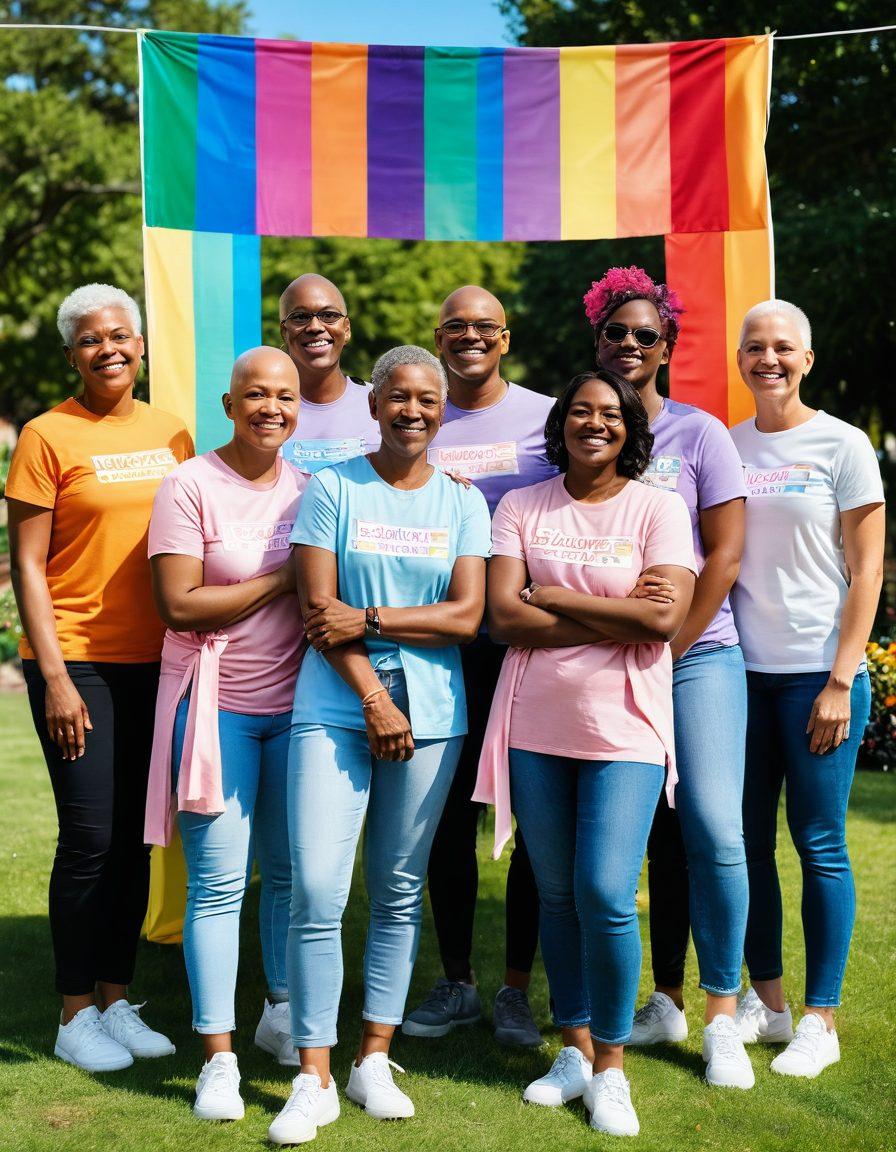
Furthermore, it’s essential to build strong networks within the cancer community that specifically cater to LGBTQ+ survivors. This includes support groups that celebrate diversity, share stories of resilience, and form a tight-knit community. It’s often through shared experiences that individuals find hope and strength: 'In our vulnerability, we find our greatest power.' By championing equality, we not only uplift those going through survivorship but also challenge the status quo, fostering a culture where advocacy becomes second nature to patient support.
Ultimately, the strategies of advocacy for LGBTQ+ cancer survivors must encompass a chorus of voices. Whether it’s pushing for policy changes in healthcare or simply offering support through understanding and compassion, the goal remains steadfast: to create a world where each survivor feels empowered, heard, and valued. As we move forward, let’s remember that every story shared is a step towards change — a promise that in our fight against cancer, no one is left behind. How can you take part in championing equality for this community today?
Building a Supportive Network: Resources and Education for the Cancer Community
In a world where every story is unique, the narrative of the cancer community holds particular weight—especially for LGBTQ+ survivors. Imagine, for a moment, being faced with a malignancy while simultaneously navigating your identity in a healthcare system that hasn't always embraced equality or empowerment. As we delve into the resources and education for this community, we hope to inspire change and foster a supportive network. After all, survivorship is not merely about overcoming a tumor; it’s about thriving within a community that understands your journey.
The truth is, survivorship looks different for everyone. For LGBTQ+ individuals, the layers of their identities can often complicate their healthcare experiences. How can we ensure that every survivor feels valued and supported? The answer lies in a robust cancer support network that provides education on oncology and resources specifically tailored to the unique challenges faced by this community. Together, we can dismantle barriers and promote wellness through patient support and advocacy, paving the way for self-advocacy that empowers survivors.
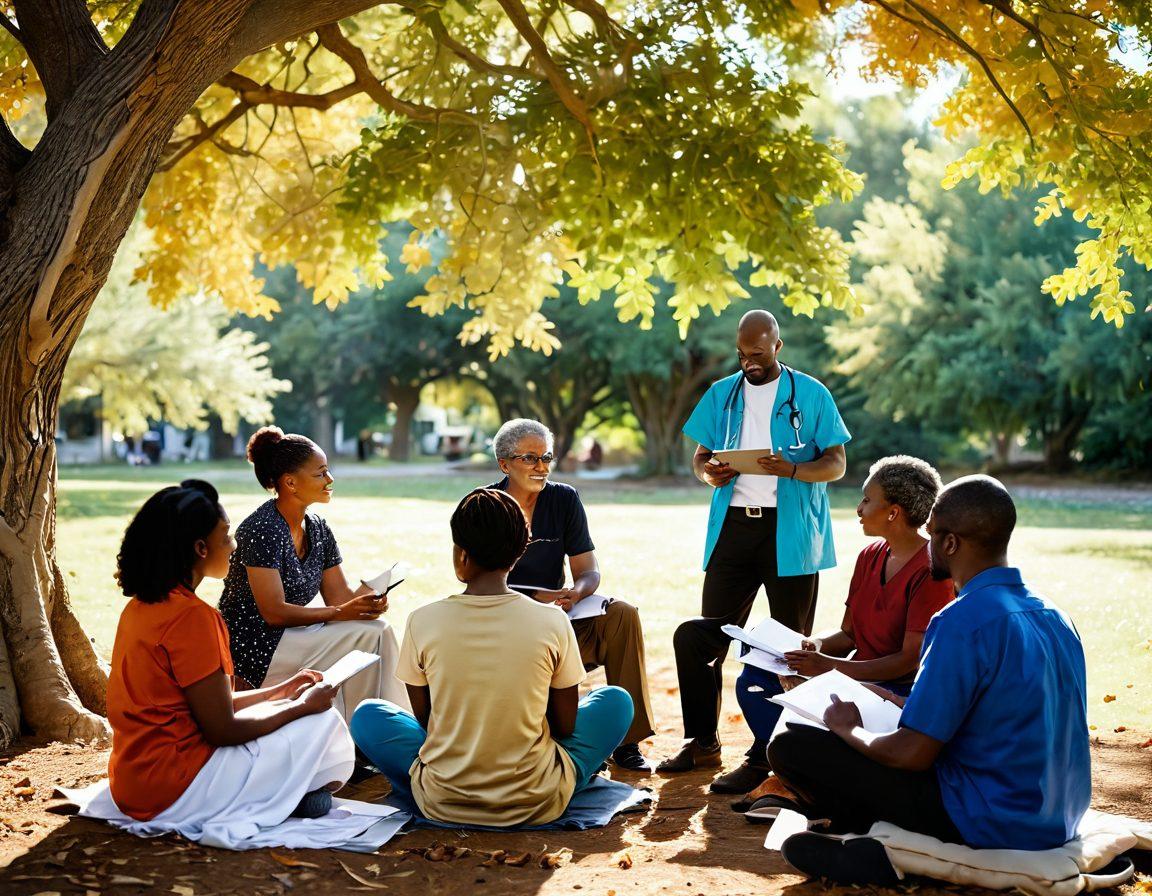
Have you ever wondered about the profound impact of education on the cancer community? Knowledge is power, especially when it comes to understanding different carcinomas and treatment options. By equipping ourselves and others with information about cancer awareness, we create a culture of support that not only addresses the physical aspects of survivorship but also prioritizes mental health. Survivorship can be daunting, but with the right resources, we can build a community that centers around healing and mutual empowerment.
Survivorship can sometimes feel like a lonely road, but it doesn't have to be. The camaraderie born from shared experiences can be remarkably uplifting. Connecting with others who have walked a similar path fosters a sense of belonging and resilience. Ultimately, the cancer community thrives when we come together, share our stories, and advocate for one another. Investing time in these connections can lead to newfound friendships and a support system that enhances overall wellbeing, further underscoring the importance of collective empowerment.
As we wrap up our exploration of building a supportive network for LGBTQ+ cancer survivors, let’s pause and recognize the strength that lies in unity. From local support groups to online forums, there are abundant resources waiting to be tapped into. So, how can you contribute to this growing community? Whether through advocacy work, volunteering, or simply sharing your story, each step adds to the mosaic of support. Remember, the journey of survivorship is not meant to be faced alone; together, we can create a legacy of empowerment and solidarity that resonates within the cancer community and beyond.
Empowerment Through Awareness: Navigating Cancer Care as an LGBTQ+ Individual
When we're confronted with the overwhelming world of oncology, where malignancies and tumors dominate the conversation, it’s easy to feel lost, especially as an LGBTQ+ individual navigating the complexities of cancer care. Empowerment is the key to regaining control over your health journey, and it begins with education and awareness. Understanding the unique challenges faced by LGBTQ+ individuals in the healthcare system is not just an act of self-advocacy; it’s a crucial step towards ensuring equality and addressing the disparities that exist in cancer treatment.
As we dive deep into the discussions of carcinoma and its implications on mental health and wellness, remember this - you are not alone. The cancer community embraces a tapestry of experiences and identities. With the increasing awareness in the realm of cancer support, survivors are now empowered to voice their narratives, shedding light on an often-overlooked segment: LGBTQ+ survivors. Their stories serve as beacons of hope, reminding us that amidst the chaos of treatment and diagnosis, there lies a powerful spirit of resilience. As the famous quote goes, 'Every survivor is a warrior,' and every warrior has a story worth telling.
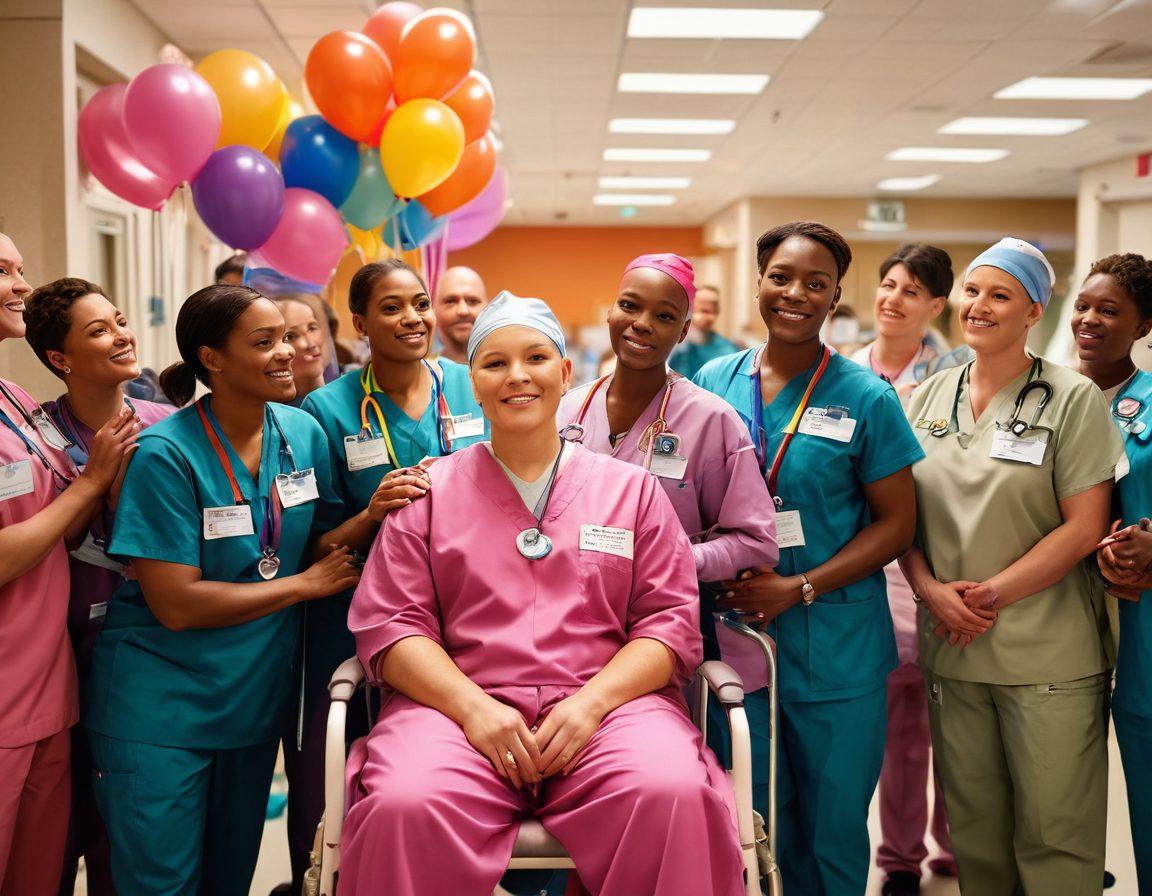
Navigating cancer care can feel daunting, especially with the additional layers of trauma that can accompany the LGBTQ+ experience. Discrimination and stigmas can become a cancer of their own, overwhelming the journey to survivorship. Yet, within this reality, there is a bloom of empowerment through awareness. Engaging in the cancer community, finding patient support groups, and accessing specialized resources for lesbian health and LGBTQ+ health will not only inform your treatment decisions but also cultivate a strong network of support. Is there anything quite as powerful as the strength found in solidarity?
What if I told you that by prioritizing self-advocacy, you could change the course of your treatment? Sharing experiences and speaking up about your needs transforms the patient-doctor dynamic from one of dominance to partnership. This empowerment opens doors to tailored cancer care that respects and acknowledges your identity. Additionally, educating healthcare providers about the unique challenges faced by LGBTQ+ individuals is pivotal in creating an inclusive environment for all patients. Ask yourself: How can you become a voice for change and equality in your healthcare journey?
As we champion cancer awareness and resources, let’s not forget the importance of mental health in this journey. Survivorship isn’t solely about overcoming physical challenges; it’s also about nurturing your mental wellness as part of the healing process. Seeking therapy, joining support initiatives, and cultivating a mindfulness practice can enhance your overall well-being. Remember, empowerment thrives in environments where individuals feel safe to share and connect. Together, as a unified cancer community, we can transform advocacy into action, ensuring that every LGBTQ+ survivor feels valued, understood, and empowered. Let's ask ourselves: How can we uplift each other today?